

Ruth
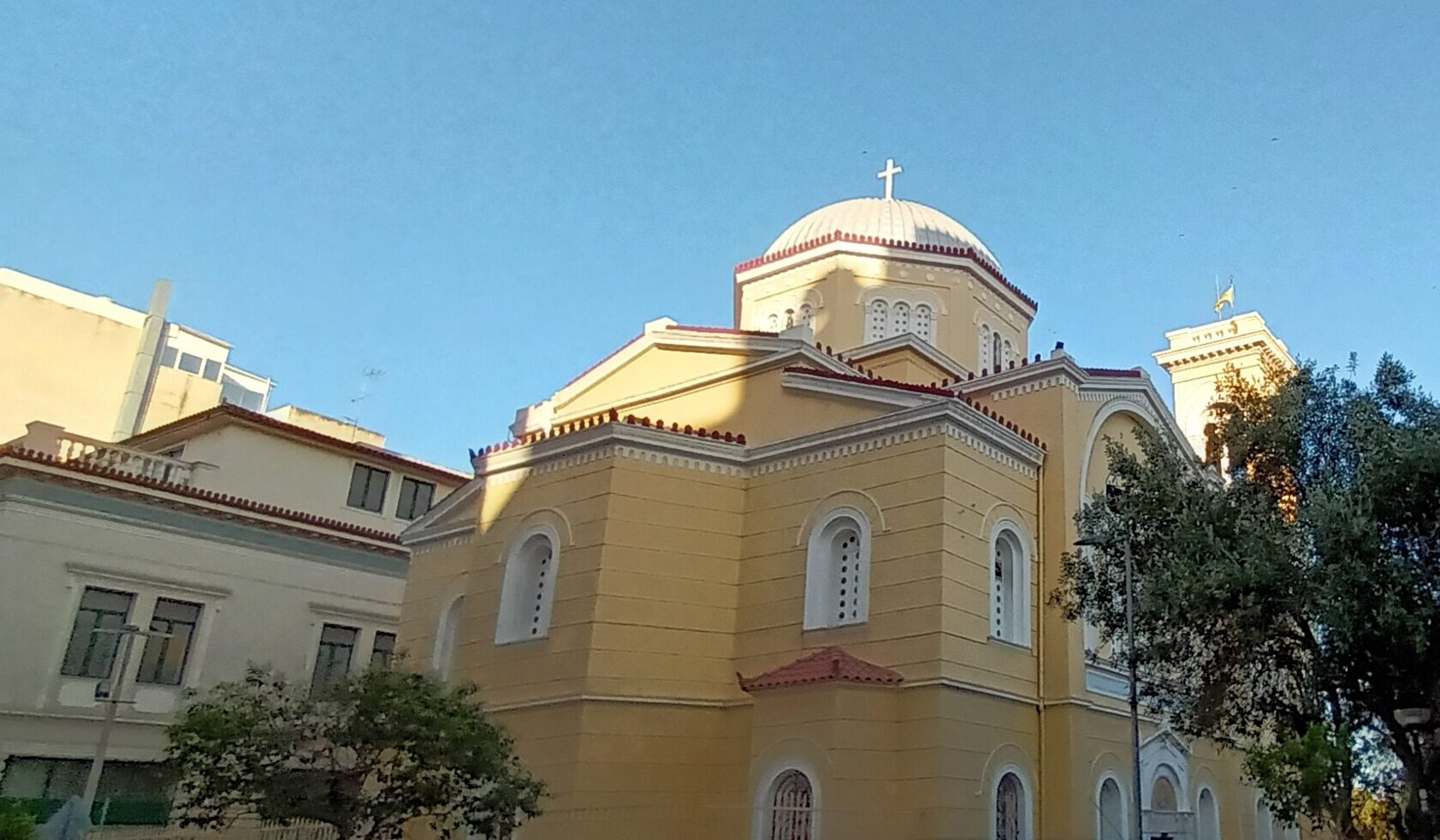
Recently we joined a tour from Athens up through the Balkan countries. One of the earliest stops was Piraeus, where we slipped into a Greek Orthodox church during worship. The air was heavy with incense, the sound of chanting echoing against the walls. Though I couldn’t understand a single word, I still felt drawn in. The rhythm, the gestures, and the candles drew my heart into the flow of the service. It struck me that in the Middle Ages, when most people were illiterate, perhaps these very rituals and icons were the way faith was made visible, touchable, and unforgettable.
As we traveled further north, our guide told us about the two major religions in the Balkans, Islam and Serbian Orthodoxy. To be honest, I knew very little about the Serbian Orthodox Church, so I did some searching on the internet. What I discovered was surprising and interesting. Serbian Orthodoxy is an ancient, independent branch of the Eastern Orthodox Church, woven into the very identity of the Serbian people, carrying them through centuries of wars, empires, and shifting borders. Learning that it became fully independent in 1219 under Saint Sava (the first Archbishop of the independent Serbian church) gave me a sense of standing on holy ground that has been kept with devotion for over 800 years.
It surprised me that the Serbian and Greek Orthodox share lots of traditions. Both belong to the same family of faith, anchored in the same sacraments, the same Divine Liturgy, the same reverence for the mystery of God. A Serbian believer could walk into a Greek Orthodox church and receive communion. And the same is true the other way around. That kind of unity, across languages and nations, is rare in our fractured world, and I found it beautiful.
Of course, there are differences too—ones that make each church shine with its own cultural flavor. The Greeks chant in their language, and the Serbs may use Slavonic or Serbian. Their hymns rise in different melodies, shaped by centuries of history. Even the candles carry meaning: wax in Serbia, paraffin in Greece. And I loved learning about the Serbian tradition of Slava, where each family celebrates the feast day of its patron saint.
As I think back on this journey, what lingers is not just the knowledge we gained but the feeling of stepping into worship that transcends understanding. I may not grasp the words, but the faith behind them—the longing for God, the honoring of tradition, the reaching toward the eternal—speaks across boundaries.
Being there made me feel both like an outsider looking in and like a pilgrim who had been welcomed home.
Enter to win Amazon gift cards!
Where did summer take you? Tell us your favorite moment, mishap, or lesson learned.
Send a picture or a 500–1,000-word story, and you could:
- Be featured on our website (www.ruthforchrist.com; published pieces receive a $30 Amazon gift card).
- Enter our giveaway for a chance to win a $20 Amazon gift card—every submission counts. Published pieces are eligible too, so you can win both.
How to submit:
- Email: ruth@ruthforchrist.com with subject “Summer Travel Story – Your Name”
- Include: a photo or your story (500–1,000 words) and a 2–3 sentence bio.
- Deadline: 10/20/2025.
Selected works and the result of the draw will be announced on 10/25/2025 and posted on my website at www.ruthforchrist.com. I’ll confirm the winners’ email addresses and send out the Amazon gift cards by email before 10/31/2025.