
By Ruth
Recently I took a cruise around the Baltic Sea, visiting several fascinating destinations including Tallinn, Helsinki, and Stockholm.
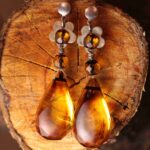
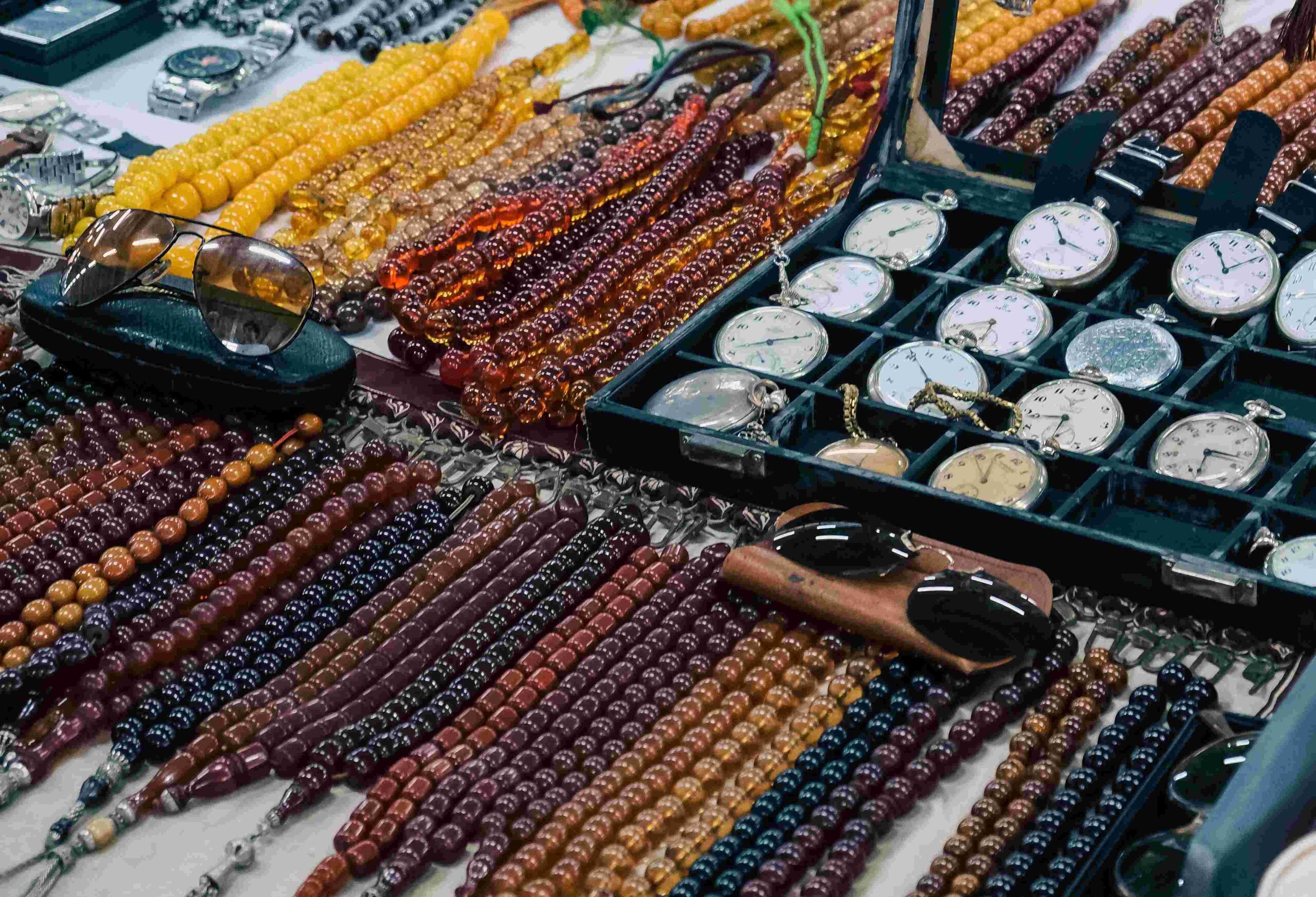
One thing quickly caught my attention: amber was everywhere. The ship had a specialty boutique selling amber jewelry. Once ashore, I found amber in shop windows, jewelry stores, souvenir markets, and luxury boutiques. Whether in Estonia, Finland, or Sweden, amber seemed to be one of the region’s most recognizable treasures.
As a jewelry-making enthusiast, I was not surprised. I have spent several years studying amber, and seeing its importance in the Baltic region reminded me why this ancient material has fascinated people for thousands of years.
What Is Amber? It’s fossilized tree resin that formed millions of years ago. Unlike gemstones that crystallize deep within the earth, amber originates from sticky resin produced by ancient forests. Over vast periods of time, the resin hardened and fossilized into the material we know today. The Baltic region is home to the world’s largest deposits of amber, often called Baltic amber. Much of it is estimated to be between 35 and 50 million years old. This abundance explains why amber has become such a significant part of the culture and jewelry traditions around the Baltic Sea.
Amber possesses several qualities that make it unique. Every piece is a tiny time capsule from a prehistoric world. Holding a piece of amber means holding something that existed long before humans appeared on Earth.
Unlike diamonds or sapphires, amber does not sparkle with brilliant flashes of light. Instead, it glows with a warm, organic beauty. Colors range from pale honey and golden yellow to deep cognac, red, green, and even rare blue tones.
Amber is surprisingly lightweight compared with most gemstones. Large amber beads can be worn comfortably, making them popular for necklaces and statement pieces.
Many pieces contain tiny particles, plant debris, or trapped air bubbles. These natural features give each piece a unique character.
Not all amber is equal. Several factors influence value. Color is one of the most important considerations. Common colors include honey yellow, golden, cognac brown, and orange. Less common colors such as cherry red, green, white (sometimes called bone amber), and blue often command higher prices. Rare, naturally occurring colors are more valuable than ordinary golden amber.
Some amber is transparent enough to see through, while other pieces are cloudy. Highly transparent amber is often prized for jewelry because it displays internal features beautifully. However, some collectors seek opaque varieties, particularly white amber.
As with most gem materials, larger specimens command higher prices if the quality remains high.
Amber is relatively soft and can crack or scratch. Pieces with minimal fractures, chips, or clouding are more desirable.
Many people believe air bubbles increase amber’s value. The reality is more complicated. Tiny bubbles are common. In fact, some cloudy amber owes its appearance to countless microscopic bubbles. Ordinary bubbles add character but not significant value. However, unusual bubble formations may make a piece more attractive to collectors. In short, air bubbles alone rarely make amber valuable.
(Please come back next week for Part 2)