
Ruth
There are many ways to begin a safari adventure in Zimbabwe, Africa.
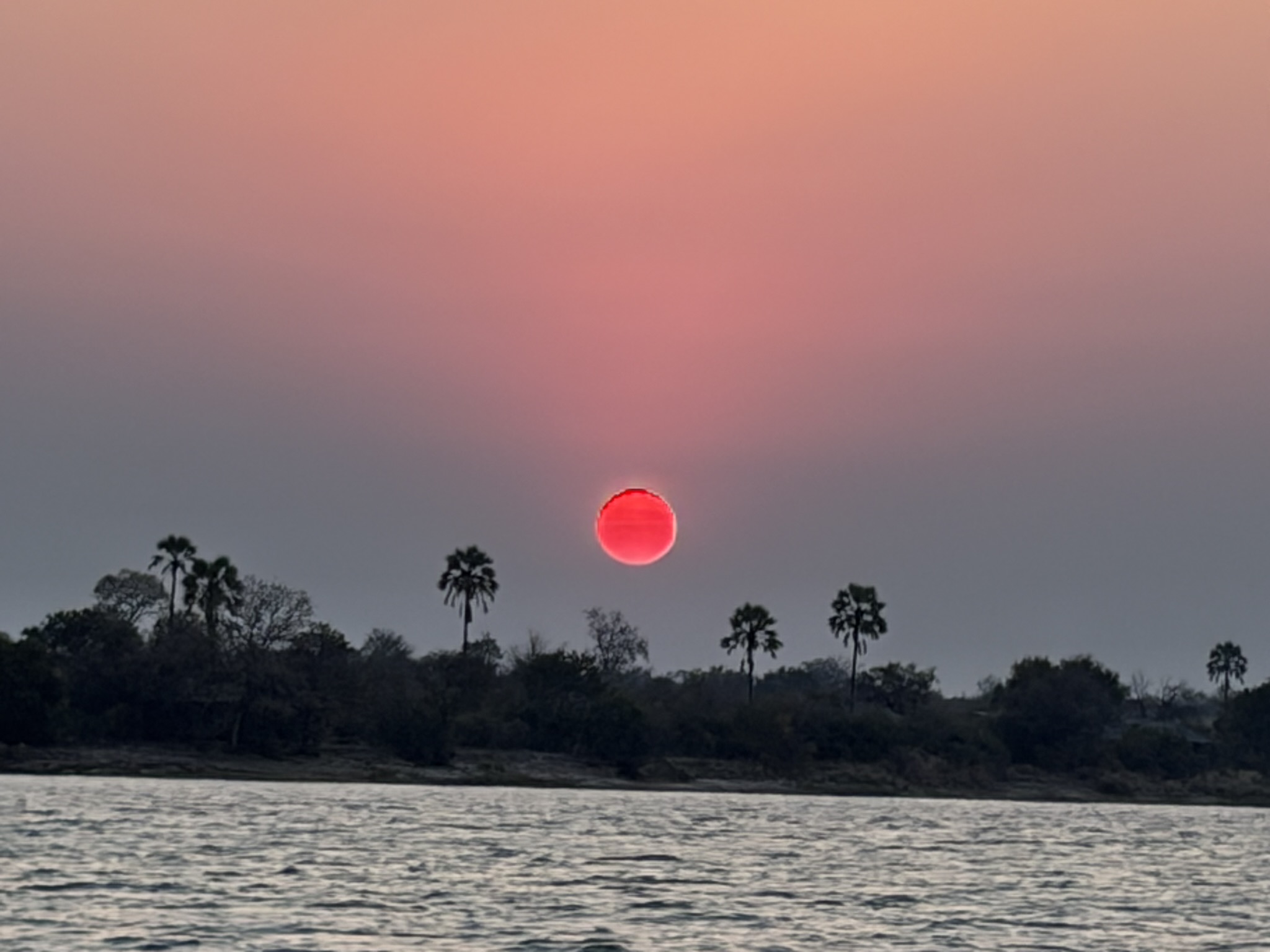
You can start with a cold drink overlooking the Zambezi River.
Or, if you’re lucky, you can start by being introduced to the local economy at the immigration desk.
We had flown from Johannesburg to Victoria Falls, excited about seeing one of Africa’s great natural wonders and, of course, getting closer to the wildlife. What we didn’t expect was our first close encounter with the country’s unofficial wildlife: the cash-hungry immigration officer.
At immigration and customs, we were informed that the fee for a visa was US$30 per person.
Fair enough.
We reached for our cards.
“Cash only.”
No problem. We had some cash.
What happened next was interesting.
The officer took the $30 per person, and rather than placing it into some official-looking cash box, receipt tray, or government till, the money appeared to make a direct journey into his pocket with no receipt or any sort of record.
Perhaps Zimbabwe has developed an innovative new form of contactless payment. Contactless for the government, anyway.
Now, I should stress this was our personal experience and observation, not a scientific study of Zimbabwean immigration. But when a government fee goes into a person’s pocket rather than through an official payment process, it leaves a memorable first impression.
And so, before we’d even seen a single elephant, we’d already encountered what might be described as our first example of Zimbabwean “wildlife.”
Once we’d cleared immigration, our private guide, Brighton, collected us and set off for Hwange Safari Lodge.
The journey was supposed to be about 170 kilometers. And it took more than three hours.
Why?
Imagine a road that has been introduced to several large potholes. Then imagine the potholes have been allowed to reproduce. That was our drive, which was so rough that we wondered whether we were traveling to the safari lodge or participating in an endurance event.
Brighton, who seemed unfazed, explained the area has a large coal mine owned by the government and operated by Chinese interests. The enormous trucks for transporting coal cause a lot of damage. To repair the road, the government awarded different sections of the road to a few groups that didn’t have the necessary skills to repair it. And the government had no system to track the progress of the work progress.
(Please come back next week for Part 2)